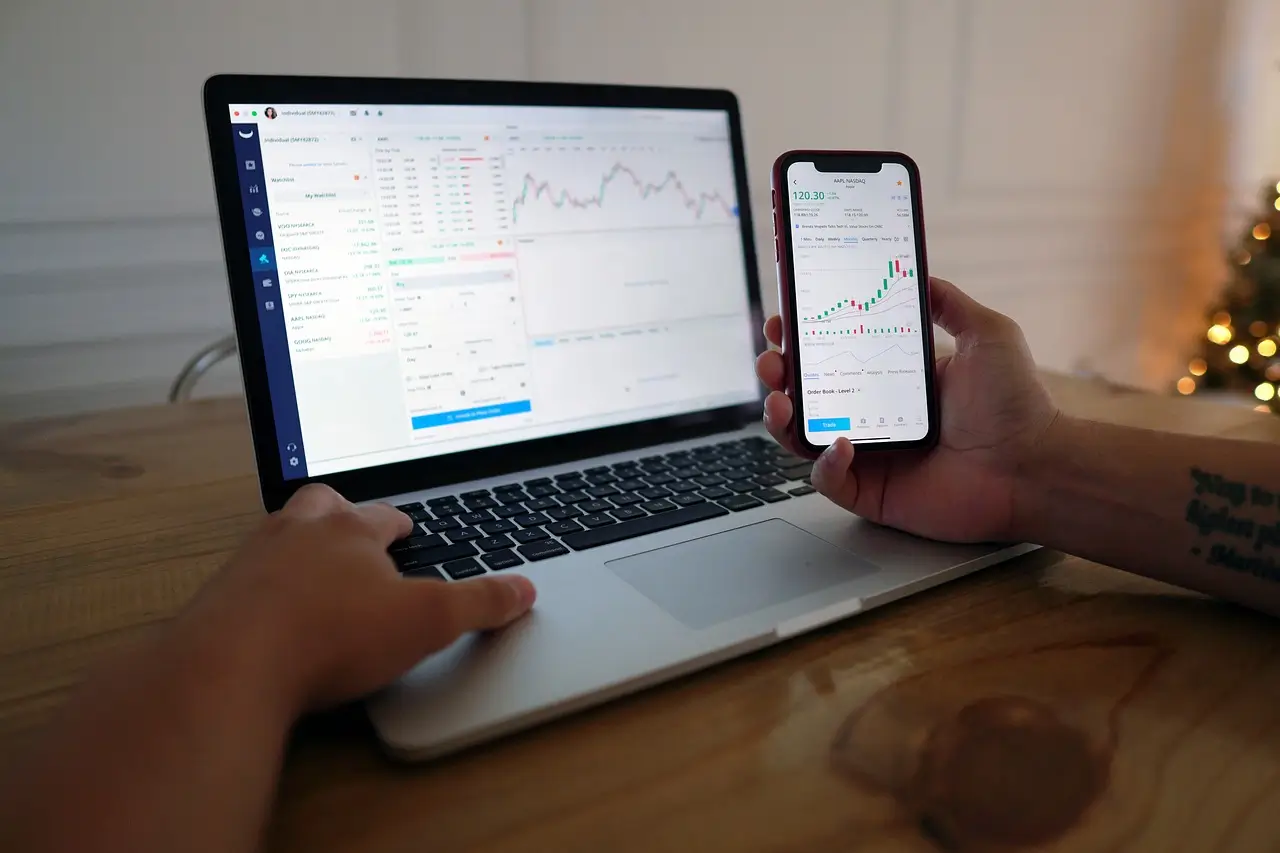
New traders often hesitate before their first live commodity trade.
Many beginners jump straight into futures contracts. That's the hard way in.
Commodity CFDs offer a simpler entry point with lower capital requirements and straightforward execution.
This guide walks through a complete gold or oil trade setup: choosing your position size, setting margin, and placing your stop-loss.
If you want a broader beginner framework before placing your first order, read our full commodities trading for beginners guide.
Commodities 101: What They Are and the Main Types
Commodities are raw materials and natural resources - metals, energy, crops, livestock - traded on global markets and used to produce other goods.
Hard commodities are extracted or mined: metals like gold and copper, energy like oil and natural gas. Soft commodities are grown or raised: agricultural products like wheat and coffee, livestock like cattle.
The distinction matters because price drivers differ. Hard commodities respond to industrial demand and geopolitics. Soft commodities respond to weather, seasons, and crop yields. Knowing which type you're trading tells you where to look for signals.
Hard commodities (metals, energy)
Hard commodities are natural resources extracted from the earth, including precious metals (gold, silver, platinum) and energy products (crude oil, natural gas).
Gold, silver, copper, and platinum are the most commonly traded metals.
Gold serves as a safe-haven asset during market uncertainty. When stock markets drop, gold prices often rise as investors move to safety.
Silver pulls double duty: it's both a precious metal and an industrial material used in electronics and solar panels. Copper tracks global manufacturing activity closely. Platinum is rarer than gold but more volatile due to concentrated supply from South Africa and Russia.
Crude oil (WTI and Brent), natural gas, heating oil, and gasoline are the main energy commodities.
WTI (West Texas Intermediate) is the US benchmark. Brent crude is the global benchmark and typically trades a few dollars higher. Oil prices move on OPEC production decisions, geopolitical tensions in producing regions, and shifts in global demand.
Natural gas prices are seasonal. Demand spikes in winter for heating and summer for air conditioning. Storage reports released weekly can trigger sharp price swings.
Soft commodities (agriculture, livestock)
Soft commodities are agricultural products grown or raised, including grains (wheat, corn, soybeans), softs (coffee, sugar, cotton), and livestock (live cattle, lean hogs).
Agricultural commodities split into two categories: grains and softs.
Grains include corn, wheat, and soybeans. Softs cover coffee, sugar, cotton, and cocoa.
Weather drives most price swings. A drought in Brazil spikes coffee prices. An early frost in the Midwest hits corn yields. Seasonal harvests create predictable supply patterns, but climate events add volatility you can't forecast from charts alone.
Live cattle and lean hogs are the main livestock futures.
Prices move on three factors: feed costs, disease outbreaks, and consumer demand. Feed costs matter most for new traders to understand. Corn is a major component of cattle feed, so when corn prices rise, livestock futures often follow.
Disease scares like avian flu or African swine fever can crash prices overnight. Consumer trends shift slower but still matter. Plant-based meat growth affects long-term demand projections.
Ways to Trade Commodities Online (Futures, Options, CFDs, ETFs)
The four main ways to trade commodities online are futures contracts, options, CFDs (Contracts for Difference), and ETFs (Exchange-Traded Funds).
Futures and options trade on regulated exchanges with standardized contracts. Both have expiration dates, so timing matters. Futures obligate you to buy or sell. Options give you the right but not the obligation.
CFDs (Contracts for Difference) let you speculate on price movements without owning the commodity. You trade through brokers, not exchanges. Leverage is common, which amplifies gains and losses.
ETFs work like regular stocks. You buy shares that track commodity prices or hold commodity-related companies. No expiration dates, no leverage required. Easiest entry point for beginners who want commodity exposure without the complexity.
Futures vs options vs CFDs vs ETFs: a quick comparison
Futures offer high liquidity with large capital requirements; options cap downside but have expiration complexity; CFDs provide flexible sizing with leverage; ETFs are simplest but lack leverage.
Futures are standardized contracts to buy or sell a specific quantity of a commodity at a set date and price. They're the most liquid option for commodity trading.
The catch: futures require significant capital. Margin requirements vary, but you'll need to put down a substantial portion of the contract value. A single crude oil contract controls 1,000 barrels. One gold contract covers 100 ounces.
You get leverage, but losses can exceed your initial margin if the market moves against you.
Options give you the right, not the obligation, to buy or sell. Your maximum loss is capped at the premium you paid upfront.
The downside: options pricing is complex. You need to understand "the Greeks" (delta, theta, gamma) to know how time decay and volatility affect your position. Options on commodity futures add another layer since they expire before the underlying contract does.
Best for traders who want defined risk but can handle the learning curve.
CFDs let you speculate on commodity prices without owning anything. No storage, no delivery, no expiration dates to manage.
Position sizing is flexible. You can trade fractions of a contract, making CFDs accessible with smaller accounts. Built-in leverage means lower capital requirements than futures.
You can profit from both rising and falling prices. But leverage works both ways. Losses can mount quickly without proper risk management.
ETFs track commodity prices or hold shares in commodity-related companies. They trade like regular stocks through your brokerage account.
Funds like Invesco DB Commodity Index offer broad exposure across multiple commodities. No leverage, no margin calls, no complex contracts.
The tradeoff: returns track the index, not individual commodities. You won't capture the full upside of a single commodity surge.
Why this guide focuses on commodity CFDs (simple workflow for first trades)
CFDs offer the simplest workflow for first-time commodity trades: no expiration dates, flexible position sizes, built-in leverage, and the ability to go long or short with one account.
No expiration dates to track. Unlike futures or options, CFD positions stay open until you close them.
No storage or delivery concerns. You're trading price movements, not physical barrels of oil or gold bars.
Flexible position sizing. Start with a small amount of gold exposure instead of a standardized futures contract. Scale up as you get comfortable.
This guide walks through one complete example trade in gold or oil. You'll see how to choose position size, set a stop-loss, and place a take-profit order. Once you're comfortable, explore proven gold trading strategies or our broader commodities trading strategies guide to build a repeatable approach.
Then we'll cover costs in plain language: what the spread actually takes from your trade, how overnight fees add up, what margin you need to hold a position, and when stop-out closes your trade automatically.
How to Trade Commodities Online: Step-by-Step
Trading commodities online via CFDs involves six steps: learning how commodity markets work, choosing a platform, funding your account, selecting a commodity, placing your trade with proper position sizing and risk controls, then monitoring your open position.
You need three things: a CFD trading account with a broker offering commodity markets (gold, oil, natural gas), a trading platform like MT5 installed on desktop or mobile, and funds you can afford to lose.
CFD trading uses leverage, which amplifies both gains and losses. Only trade with money that won't affect your financial stability if lost entirely.
Account opening and verification takes 1-5 minutes depending on the broker's KYC requirements. Some brokers verify instantly with digital ID checks; others take a business day.
Once funded and set up, placing your first trade takes 2-5 minutes.
Yes. Steps 5 and 6 cover stop-loss and take-profit orders, position sizing based on risk tolerance, and margin monitoring.
Dedicated sections below explain spread costs, overnight fees, and negative balance protection.
Step 1: Learn How Commodity Markets Work
Commodity prices move based on supply and demand. When supply drops or demand rises, prices go up. When supply increases or demand falls, prices drop.
Weather affects agricultural commodities directly. A drought in Brazil can spike coffee prices within days. A bumper wheat harvest in Kansas pushes grain prices lower.
Geopolitical events cause sudden price swings. Wars, trade restrictions, and tariffs can disrupt supply chains overnight. Oil prices spiked after conflicts in the Middle East. Agricultural exports shift when countries impose trade barriers.
Crude oil offers a clear example of supply-demand dynamics in action. When the EIA reports lower US inventory levels, prices typically rise. When inventories build, prices fall. Traders watch these weekly numbers closely because inventory changes signal near-term price direction.
Different commodity sectors have different key reports:
- Energy: EIA weekly inventory reports move crude oil and natural gas prices. Released every Wednesday, these reports show whether US stockpiles are building or declining.
- Agriculture: USDA's monthly WASDE report (World Agriculture Supply and Demand Estimates) affects crop and livestock prices. The report covers global production forecasts and consumption trends.
- Metals: Central bank announcements and inflation data drive gold and silver. Gold often moves inversely to the US dollar, so currency strength matters.
Bookmark the release calendars for these reports. Price volatility often spikes in the hours around publication.
Step 2: Choose a Trading Platform
Pick a broker with transparent costs and a platform that fits how you trade. Costs eat into profits on every trade. The right platform keeps execution fast and analysis clear.
Compare spreads on the specific commodities you plan to trade. Gold and Crude Oil spreads vary significantly between brokers.
Check overnight fees (also called swap fees) if you hold positions longer than a day. These compound quickly on leveraged positions and can turn a winning trade into a losing one over time.
MetaTrader 5 (MT5) is the industry standard for CFD trading. It works on desktop, web, and mobile.
Many traders use a charting platform like TradingView for technical analysis, then execute trades on their broker's platform. TradingView offers more drawing tools and indicator options than most broker platforms.
Open a demo account before depositing real funds. Test order execution speed, chart tools, and the mobile app.
Pay attention to slippage during volatile moments. Demo accounts often execute faster than live accounts because there's no real market impact. Still, demo trading reveals whether the interface works for your trading style.
Step 3: Open and Fund Your Account
Once you've chosen a broker, opening an account takes about 1-5 minutes. The process is straightforward: fill out an online application, verify your identity, then add funds.
You're not required to deposit money right away. Most brokers let you complete verification first and fund the account whenever you're ready to trade.
Brokers require identity verification (KYC) before you can trade. You'll need two documents:
- Government-issued ID: passport or driver's license
- Proof of address: utility bill or bank statement dated within the last 3 months
Upload clear photos or scans. Blurry images are the most common reason for verification delays.
Three main funding methods are available:
- Bank transfer: Takes 1-3 business days to clear. Best for larger deposits.
- Credit/debit card: Instant or same-day. Convenient but some brokers charge a small fee.
- Crypto: Usually instant. Good if you already use these services.
Check your broker's minimum deposit requirement before funding. Start with an amount you're comfortable losing while you learn.
Step 4: Select a Commodity to Trade
Commodity selection starts with understanding the three major categories: energy, metals, and agriculture. Browse the full range on our commodities trading page. Each category behaves differently based on distinct price drivers, and the right choice depends on trading style and risk tolerance.
Energy commodities like crude oil and natural gas are among the most actively traded markets globally. Prices react quickly to geopolitical events, inventory reports, and seasonal demand shifts.
Precious metals like gold and silver serve as stores of value and inflation hedges. Gold in particular responds to monetary policy changes and economic uncertainty, often moving opposite to stock markets.
Agricultural commodities like corn, soybeans, and wheat are driven by weather patterns, harvest yields, and global export demand. These markets can be volatile during planting and harvest seasons.
For a first trade, prioritize liquidity. High-liquidity commodities like gold and crude oil have tighter bid-ask spreads, which means lower transaction costs on each trade.
Consider volatility tolerance as well. Metals tend to move more steadily, while energy markets can swing sharply on news events. Agricultural commodities fall somewhere in between but spike around weather disruptions.
Start with one commodity. Learn its price patterns, typical daily range, and what news moves it before expanding to others.
Step 5: Place Your First Trade
Open your trading platform, select the commodity you want to trade, and click "New Order." You'll need to make three decisions: direction, size, and risk levels.
Buy (go long) if you expect the price to rise. Sell (go short) if you expect it to fall.
CFDs let you profit from falling prices without owning the underlying asset. This makes short-selling as simple as clicking "Sell" instead of "Buy."
Position size determines how much you risk per trade. A common approach: risk no more than 1-2% of your accounton any single trade.
With leverage up to 1:500, a $200 margin can control a $100,000 position. Profits are amplified, but so are losses. Start small until you understand how leverage affects your account.
Set a stop loss to limit downside and a take profit to lock in gains automatically. Both orders execute even when you're away from your screen.
Gold CFD example: You buy gold at $4,900 per ounce. Set your stop loss at $4,860 (risking $40 per ounce) and take profit at $4,980 (targeting $80 per ounce). This gives you a 2:1 reward-to-risk ratio before you confirm the trade. For a deeper walkthrough, see our guide on how to trade gold.
Fees & pricing to compare (spreads, commissions, overnight fees)
Trading costs break into three categories: spreads, commissions, and overnight fees. Understanding each helps you estimate your actual trading costs before opening an account.
The spread is the gap between the buy and sell price. Brokers make money on this difference.
On VantoTrade Standard accounts, spreads start from 1.4 pips on currencies and metals. Indices and oil have zero markup. Raw accounts offer market spreads from 0.0 pips, but you pay a commission instead.
Lower spreads matter most for frequent traders. If you make 20 trades a day, even 0.5 pips adds up.
Commissions appear on accounts with tighter spreads. The broker charges a flat fee per trade instead of widening the spread.
VantoTrade Standard accounts charge no commissions on any instrument. Raw accounts charge from $3.50 per $100,000 traded, but spreads drop to near-zero.
The tradeoff: Standard accounts cost more on tight-spread instruments. Raw accounts cost more on small positions where the flat commission eats into profits. Compare both options on our account types page.
Overnight fees (also called swaps) apply when you hold a CFD position past market close. The fee covers the cost of maintaining your leveraged position.
Swap rates can be positive or negative depending on the asset and your position direction. Long positions on some currency pairs earn positive swaps. Other pairs cost you nightly.
Check the swap rates before holding positions overnight. Day traders avoid this fee entirely by closing positions before market close.
Risk tools to look for (stop loss, take profit, negative balance protection where available)
Three tools help manage downside risk on leveraged trades: stop loss orders, take profit orders, and negative balance protection (where available).
A stop loss automatically closes a position at a preset price to limit losses if the market moves against you. Set a stop loss before entering any trade to define the maximum acceptable loss upfront.
VantoTrade's stop out level at 30% adds another layer. If margin falls to that threshold, positions close automatically. This prevents total account depletion during volatile moves.
A take profit order closes a position automatically when price hits a target level. This locks in gains without requiring constant screen monitoring.
Combining stop loss with take profit creates a defined risk-reward range for each trade. Entry, exit, and maximum loss are all set before the market moves.
Negative balance protection prevents an account from going below zero. Even in extreme market gaps, losses cannot exceed the deposited amount (where offered).
This protection matters most during high-volatility events when prices can jump past stop loss levels.
Markets & contract details (available commodities, trading hours, contract sizes)
Commodity CFDs cover three main categories: energy (oil, natural gas), metals (gold, silver), and agricultural products (corn, coffee). Each market has different trading hours and contract sizes, so check what fits your schedule and account size before opening positions.
Most brokers organize commodities into three groups:
- Energy: Crude oil (Brent and WTI), natural gas, heating oil, gasoline
- Metals: Gold, silver, copper, platinum
- Agricultural: Corn, wheat, soybeans, coffee, sugar, cotton
VantoTrade focuses on Gold, Silver, and Oil as core commodity CFDs. These three cover the most actively traded markets without overwhelming you with dozens of instruments.
Gold and oil CFDs typically trade nearly 24 hours on weekdays with a brief daily break (usually around 5-6 PM Eastern). Some brokers offer 24/6 access for major commodities.
This extended availability means you can react to overnight news. A geopolitical event at 3 AM still lets you adjust your position before European markets open.
Futures contracts have fixed sizes. Crude oil futures, for example, represent 1,000 barrels per contract. That's a large commitment for smaller accounts.
CFDs offer more flexibility. You can trade standard lots, mini lots, or micro lots depending on your account size. A micro lot lets you test a trading idea without risking significant capital upfront.
Execution & usability (order types, mobile app, charts, demo account)
The right order types, reliable charting, and a solid mobile app determine whether you can execute trades quickly when commodity prices move. A demo account lets you test everything before risking real capital.
Three order types cover most commodity trading situations:
Market orders execute immediately at the current price. Use these when you need to enter or exit fast, like during a sudden oil price spike.
Limit orders let you set a specific entry or exit price. You place the order, and it fills only when the market reaches your target.
Stop-loss and take-profit orders close positions automatically at preset levels. These protect your account when you can't watch the screen.
VantoTrade uses MetaTrader 5 (MT5) on desktop and mobile. The platform includes built-in indicators, multiple timeframes, and custom indicator support.
You get one-click trading, advanced charting tools, and automated trading through Expert Advisors. MT5 also supports hedging and netting account types.
MT5 handles technical analysis well, but many retail traders pair it with TradingView for advanced charting. You can analyze on TradingView and execute trades through your broker's native platform for better reliability.
Demo accounts let you practice with virtual funds before risking real money. You can test order execution, try different charting setups, and learn the platform without consequences.
Most CFD brokers offer free demo accounts. Check whether the demo includes live market data and whether there's a time limit on access.
Step 6: Monitor and Manage Your Position
Position management starts the moment your trade is live. Open the Positions panel in MetaTrader 5 to see your running P&L, margin usage, and open trades in real time.
MT5 displays your profit and loss in the Positions tab. You'll see unrealized P&L updating live as the market moves, plus your margin level as a percentage.
A common approach is trailing your stop-loss to breakeven once the trade moves a certain amount in your favor. This removes risk from the position while letting profits run. For multi-day positions, see our swing trading gold guide.
Other traders move stops to lock in partial gains as the trade progresses. The key is having a rule and sticking to it, not adjusting based on emotion.
The stop out level is 30%. Your position closes automatically when margin drops to this threshold. This protects you from losing more than your deposited funds.
Positions moving against you require quick decisions: add margin to maintain the position, reduce position size, or close the trade entirely. Waiting and hoping rarely works.
Costs and Risks of Trading Commodities
Trading Costs to Expect
Commodity CFD costs include the spread (difference between buy and sell price), overnight financing fees for positions held past market close, and sometimes commissions.
The spread is the difference between buy and sell prices. Every trade starts at a small loss equal to this gap.
Spreads vary by commodity. Gold and oil typically have tighter spreads than agricultural commodities like wheat or coffee.
Overnight financing fees apply when holding CFD positions past market close. These fees accumulate daily, which makes CFDs better suited for short-term trades.
Holding a position for weeks or months means paying financing charges every single day. Factor this into any trade expected to last beyond a few days.
Some CFD brokers advertise zero commissions but widen spreads instead. Others charge flat commissions with tighter spreads.
Compare total trading cost, not just one fee type. A "commission-free" platform with wide spreads can cost more than one charging $5 per trade with tight spreads.
Managing Risk with Leverage and Margin
Leverage lets you control larger positions with less capital, but amplifies both profits and losses - margin is the deposit required to open and maintain leveraged positions.
With 10:1 leverage, a 5% price move creates a 50% change in your margin. Gains multiply. So do losses.
This is why regulators require risk disclosures. Leverage doesn't change the probability of being right. It changes how much you win or lose when you are.
A margin call happens when losses reduce your account below the maintenance margin level. You'll need to add funds or close positions.
Stop-out is more severe. When equity falls to a critical threshold, the platform automatically closes positions to prevent further losses. This can happen during fast-moving markets before you have time to react.
Stop loss orders automatically close positions at a set price to limit potential losses. Setting these before entering a trade removes emotion from exit decisions.
Negative balance protection (where available) prevents accounts from going below zero during extreme volatility. Not all brokers offer this, so check before opening an account.
VantoTrade offers flexible leverage options alongside risk management tools on the MT5 platform.
You can adjust leverage based on your risk tolerance and trading strategy. Higher leverage means more exposure with less capital, but also amplifies losses.
Stop-loss orders and take-profit levels are available directly in MT5. Set these before entering a trade, not after. Most blown accounts come from skipping this step.
Margin requirements vary by instrument. Check the specific margin percentage for each asset in your MT5 terminal before opening positions.
What Drives Commodity Prices?
Commodity prices are driven by supply and demand dynamics, macroeconomic factors like interest rates and inflation, and supply shocks from geopolitical events or weather.
Commodity production can't scale quickly. A new copper mine takes 7-10 years from discovery to full output. Agricultural commodities depend on growing seasons, so farmers can only adjust supply once per year at best.
This lag creates price volatility. When demand spikes, supply can't catch up for months or years. Inventory levels signal what's coming: low stockpiles mean scarcity and rising prices, while oversupply pushes prices down.
Inflation, interest rates, and economic cycles all move commodity prices. Gold is the classic inflation hedge: when currency loses purchasing power, investors shift capital into hard assets that hold value.
Economic slowdowns reduce demand for industrial commodities like oil and copper. Recovery periods reverse this pattern. Central bank rate decisions matter too: higher interest rates strengthen the dollar, which typically pressures commodity prices downward (since most trade in USD).
Geopolitical events cause immediate price reactions. Oil prices spiked 25% in the weeks following Russia's 2022 invasion of Ukraine because markets priced in supply disruption from a major producing region.
Weather creates both predictable and unpredictable swings. Cold winters increase natural gas demand for heating. Drought in Brazil, which produces 30% of global coffee, can devastate yields and send prices surging within weeks.
What to Look for in a Commodity Trading Platform
Look for a platform that covers: competitive pricing (spreads and overnight fees), built-in risk controls (stop loss, take profit), a broad commodity selection with clear contract specs, and reliable execution with mobile access. For a detailed comparison, see our guide on the best platforms to invest in gold.
Spreads and overnight fees eat into profits faster than commissions. A tight spread on gold CFDs reduces your per-trade costs compared to brokers with wider spreads.
VantoTrade publishes spread information upfront for gold, silver, and oil CFDs. Check the contract specifications page before opening an account.
Three risk tools matter most for leveraged commodity positions:
- Stop loss orders close positions automatically when prices move against you
- Take profit orders lock in gains at your target price
- Negative balance protection (where available) prevents losses exceeding your deposit
Confirm these are available before funding your account. Some platforms restrict certain tools based on region or account type.
Look for advanced charting with customizable timeframes and technical indicators. The interface needs to feel comfortable since you'll use it daily.
Many retail traders use a dual-platform approach: charting software like TradingView for analysis, paired with their broker's native platform for execution. This combines better visualization with more reliable order fills.
VantoTrade supports MT5 across desktop, web, and mobile. Their demo accounts let you test execution speed and interface before committing real money.
Trade Gold, Oil, and More with VantoTrade
VantoTrade is a CFD broker offering gold, silver, and oil trading via MT5, with spreads from 0.0 pips and commission-free options.
VantoTrade lets you trade gold, silver, and oil CFDs through MT5 on any device. You get competitive spreads, negative balance protection, and the risk management tools covered throughout this guide.
Start with a demo account to practice commodity trading before committing real capital. No cost, no pressure.
Frequently Asked Questions About Trading Commodities Online
How much money do I need to start trading commodities?
Starting commodity trading online via CFDs typically requires $100 to $1,000 in initial capital, depending on the broker's minimum deposit.
The minimum capital depends on your broker's deposit requirements and the leverage you use. Most CFD brokers require $100-$500 to open an account, but leverage determines how much you can actually trade with that deposit. For gold specifically, you can start with as little as $25 — see our guide on how to invest in gold with little money.
VantoTrade offers commodity CFDs through MT5 with Standard account spreads from 1.4 pips on gold and oil. The 30% stop out level means you keep more margin in volatile markets compared to brokers using 50% stop out.
With VantoTrade's 1:500 maximum leverage, $100 controls a $50,000 gold position. At more conservative 1:100 leverage, that same $100 controls $10,000 worth of commodities.
Budget for spreads on each trade plus overnight fees if you hold positions past market close. Starting with $200-$500 gives enough margin to absorb normal price swings without triggering stop out.